

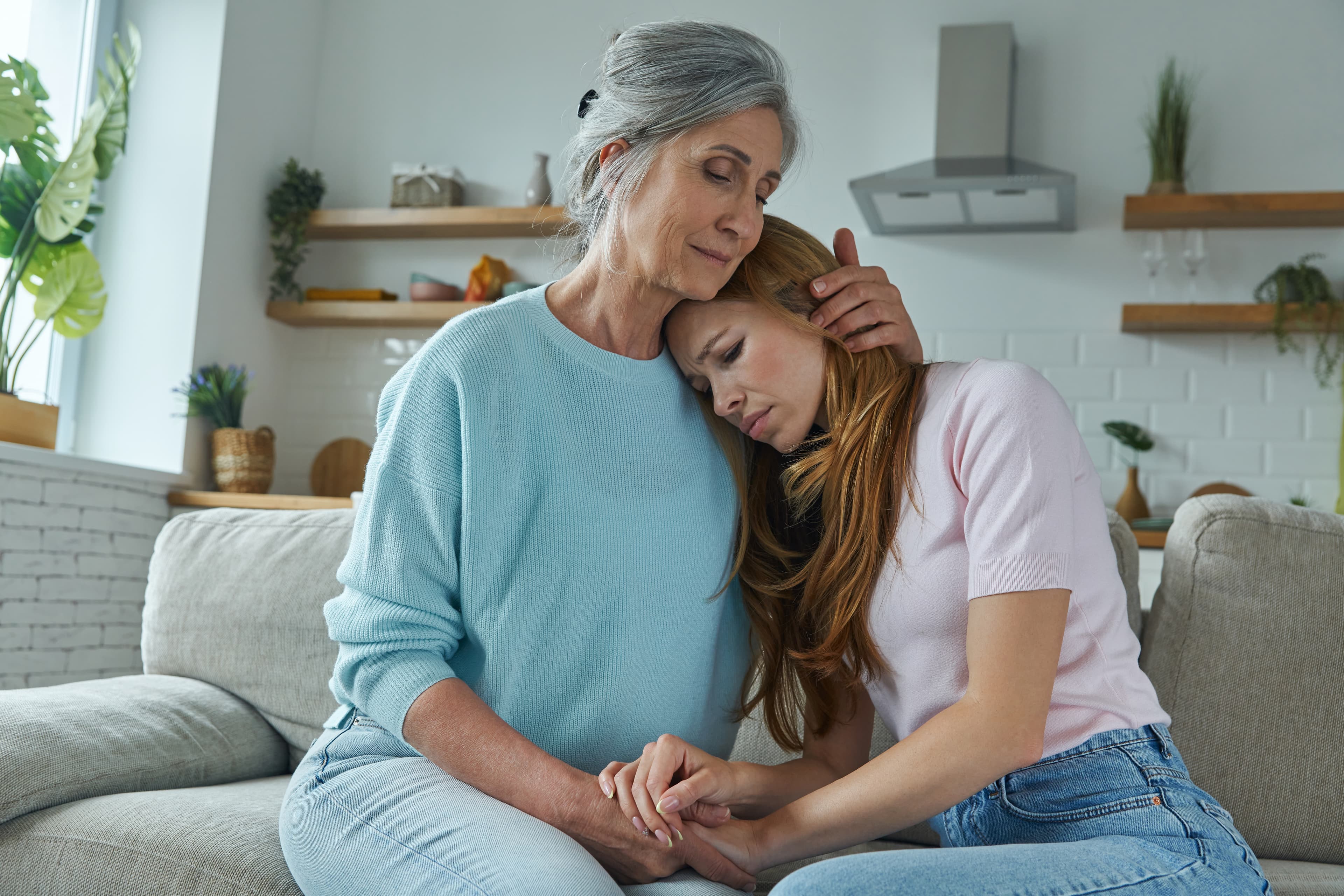
When someone you love survives sexual abuse, the impact can ripple far beyond the survivor. Family members, partners, and close friends often experience emotional and psychological strain that mirrors aspects of the trauma themselves.
This is known as vicarious trauma families sexual abuse.
Vicarious trauma is real, complex, and frequently underrecognized. Recent studies are shining a light on how pervasive it can be amongst mental health professionals treating abuse survivors, and it can deeply impact family members and loved ones close to them. People supporting a survivor may feel overwhelmed by grief, anger, or anxiety, yet hesitate to acknowledge their own pain.
Understanding these reactions and finding ways to care for yourself while staying present for your loved one is critical.
What Vicarious Trauma Is
Vicarious trauma, also called secondary trauma, occurs when someone is indirectly exposed to the effects of another person’s traumatic experience. In the context of sexual abuse, this can happen through hearing the survivor’s story, witnessing their struggles, or simply living in close relationship with them.
Family members of sexual abuse survivors often report feeling as though they carry a weight that is not theirs alone. It is common to experience intrusive thoughts, hypervigilance, emotional numbness, grief, and sometimes anger at the perpetrator or the circumstances that allowed the abuse to happen. These reactions are not signs of weakness; they are normal responses to abnormal events.
How It Shows Up for a Family Member of Sexual Abuse Survivor
Symptoms of vicarious trauma can vary widely. Sometimes a family member of sexual abuse survivor will notice themselves becoming overly protective, constantly scanning for potential threats, or losing sleep over what could happen. Others may find themselves emotionally withdrawn, avoiding conversations about the abuse to shield themselves from distress.
You might experience sudden emotional reactions that seem out of proportion to daily stressors, or feel hopeless when confronted with the long-term impact of the abuse on your loved one. Over time, unaddressed vicarious trauma can affect relationships, physical health, and your own sense of safety and well-being.
Because family members often feel that their struggles are secondary to the survivor’s, they may minimize or ignore their own reactions. Yet acknowledging these feelings is an essential step in being able to support someone else effectively.
Why the People Closest to Survivors Are Often Affected Too
Being close to a survivor naturally creates a heightened emotional connection. Family members often witness the aftermath of abuse firsthand, from anxiety and flashbacks to difficulties in school, work, or social life. These ongoing exposures make the vicarious trauma families sexual abuse feel immediate, even if you did not directly experience it.
Partners, siblings, and parents may also feel guilt, helplessness, or anger over what happened. It is common to internalize the trauma, mistakenly believing you could have prevented it or done more. These feelings can intensify the impact of vicarious trauma and make it harder to maintain your own emotional stability.
What Helps Secondary Trauma Abuse and What Makes It Worse
Supporting a survivor while managing your own response is a delicate balance.
Constant exposure to distressing details, avoiding boundaries, or suppressing your emotions can increase stress and deepen vicarious trauma. Conversely, strategies that promote self-awareness, clear limits, and emotional processing can help you stay grounded.
Practical steps include scheduling regular breaks from discussions about abuse, setting boundaries about what you can handle, and maintaining routines that support your mental health.
Talking with someone trained in trauma care, such as a therapist or counselor familiar with secondary trauma abuse, can provide perspective and coping strategies. Resources like RAINN offer guidance for family members of survivors and can help normalize these experiences while providing actionable support.
How to Support a Survivor Without Losing Yourself
Supporting a sexual abuse survivor who is your loved on does not mean sacrificing your own well-being. You can create a safe space for them to share without absorbing every detail or feeling responsible for their healing. Listening attentively, validating their emotions, and offering consistent, nonjudgmental support are vital.
At the same time, it is important to communicate your own limits. For example, you may need to step away if a conversation becomes overwhelming or schedule discussions for a time when you feel emotionally prepared. Maintaining your own health allows you to remain present and effective in your support.
When to Seek Support for Yourself
Recognizing vicarious trauma early can prevent it from becoming chronic or severely disruptive. Signs that professional support may be needed include persistent anxiety, depression, anger, withdrawal, or intrusive thoughts related to the survivor’s abuse.
Therapists experienced in secondary trauma, support groups for family members of sexual abuse survivors, and community resources can provide both validation and practical coping strategies. Seeking support is not a sign of failure; it is an essential step in sustaining your ability to care for both yourself and your loved one.
Even if you are unsure whether your experiences qualify as vicarious trauma, talking with a professional can clarify what is happening and help you develop tools for resilience.
The effects of sexual abuse extend beyond the survivor. Family members often carry their own emotional burden, even while striving to support a loved one. Recognizing vicarious trauma, setting boundaries, and seeking professional help when needed can make a meaningful difference in both your well-being and your capacity to support the survivor.
Request a Confidential Case Review
If your loved one has experienced sexual abuse and you are struggling with the emotional impact, you can request a confidential case review with the attorneys at Help Law Group to understand your legal options and access resources to support both yourself and the survivor.